

Nikhil on Building Workgrounds, the Rise of the “Accidental Planner,” and Why Outcomes Matter More Than AI Buzz
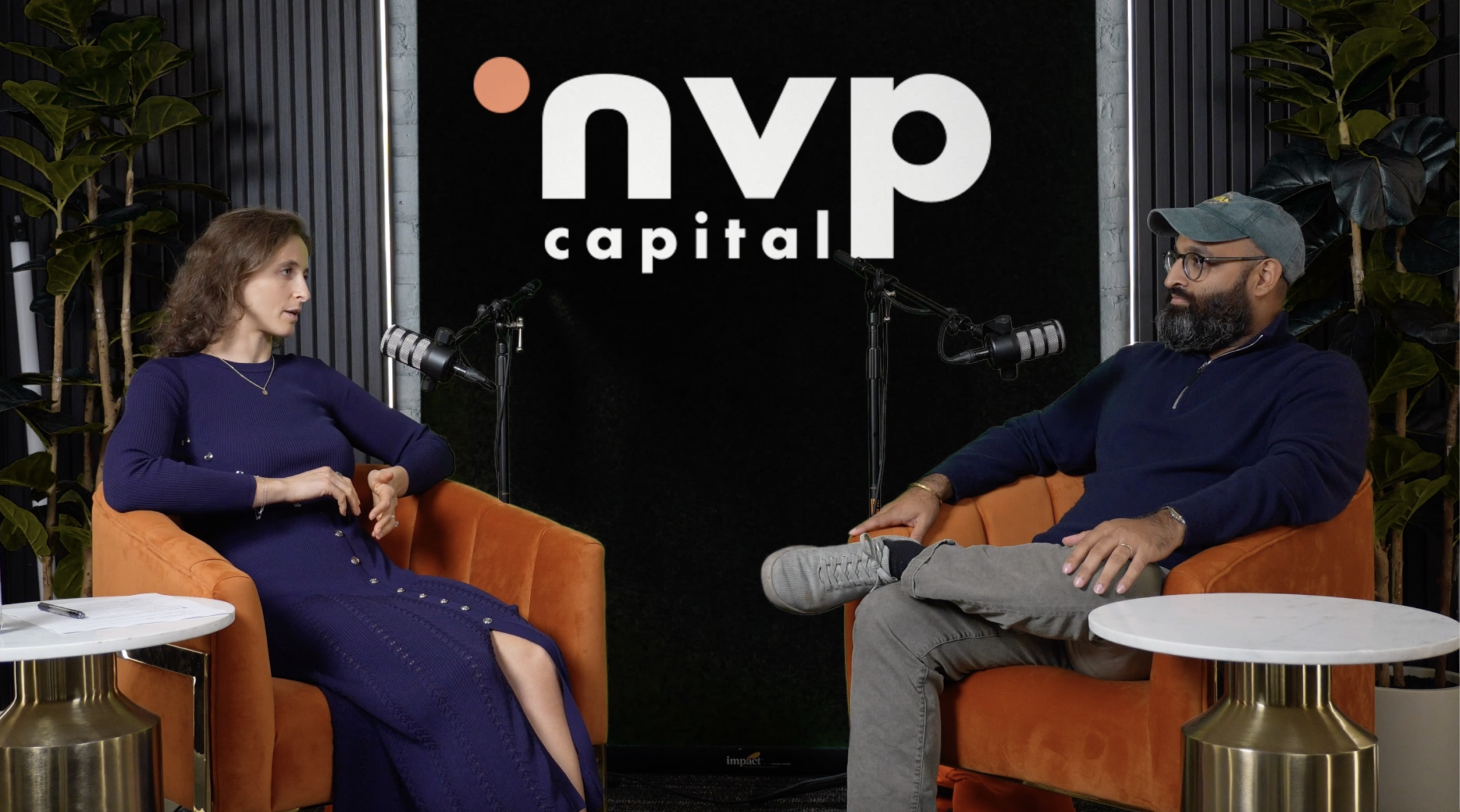
In the latest episode of Between Two Quarters, our guest host and Principal at nvp capital, Skylar Dorosin sat down with Nikhil Sethi, founder and CEO of Workgrounds, to dig deep into what actually works when selling software into large organizations.
Nikhil is a second-time founder who previously built and sold a company to Accenture. That experience—combined with years inside complex enterprises—shaped how he approached his next company: Workgrounds, a platform that simplifies group hotel bookings for teams of nine or more people, eliminating the manual RFPs, negotiations, and endless email threads (and faxes!) that still dominate corporate travel.
But the real value of the conversation wasn’t just what Workgrounds does—it was how Nikhil thinks about building and selling enterprise software in an AI-native world.
Start With a Real Problem, Not a Clean Buyer Persona
Workgrounds exists because it addresses a hair-on-fire problem that’s deeply felt across an organization, even if no single team formally owns it. When critical moments break, everyone feels the pain, but no one is clearly accountable.
Nikhil repeatedly saw the same failure track inside fast-growing, distributed companies: essential work falling to the accidental planner. Offsites, trainings, onsites, customer visits—these moments matter deeply for culture and execution, yet the logistics are often handled by someone with no tools, no ownership, and no time. Once a group hits nine travelers, the process stops being digital and becomes painfully manual.
That messiness shaped Workgrounds’ go-to-market philosophy. There isn’t one clean enterprise buyer. Finance cares about budget control. Ops cares about execution. HR or Workplace might initiate. A VP might discover the product out of necessity.
Founder takeaway: If your product solves a cross-functional pain that’s felt everywhere but owned nowhere, your ICP will never look perfect on paper—and that’s okay.
Design for the Outcome—and Prove It Fast
Workgrounds isn’t built to showcase elegant software (though, it is in fact, quite elegant!) – it’s built to make a painful problem disappear, and to make the value obvious immediately.
Anyone can onboard quickly, make a request, and see results – without training, approvals, or specialized knowledge. The software fades into the background while the work gets done.
That outcome-first approach enables bottoms-up adoption inside large companies. A VP planning a team offsite doesn’t want to buy software- they want an easier, faster process without the headache.
Workgrounds delivers that for all parties:
For companies, the ROI is time: trips that once took weeks to plan get resolved quickly.
For hotels, the ROI is demand: they pay only when they win real group business.
The result is value that’s visible, aligned, and hard to argue with.
Founder takeaway: In an outcome-driven market, fast, obvious ROI is credibility—and the best products prove it by quietly doing the work.
Let AI Power the Outcome, Not the Pitch
Despite being deeply AI-enabled, Workgrounds doesn’t lead with “AI” in its messaging.
Nikhil is clear-eyed about this: customers aren’t buying AI. They’re buying speed, savings, and fewer headaches. AI is infrastructure, not the headline.
That mindset shapes both product and sales. Buyers don’t need to understand how the system works. They need to feel the result.
Founder takeaway: If you have to explain the AI to justify the value, you’re doing it backwards.
Make the Buyer the Hero
Introducing new tools into large organizations can trigger fear — especially when automation is involved.
Workgrounds positions itself as an assistant, not a replacement. It handles negotiation, procurement, and coordination so teams can focus on the human, cultural elements of gathering people together.
That framing matters. Tools that make buyers look competent, efficient, and thoughtful spread faster than tools that threaten roles.
Founder takeaway: Enterprise software wins when it empowers people to do the work that actually matters, not when it competes with them.
Why Nikhil’s Perspective Resonates
What makes Nikhil compelling isn’t just his product – it’s the pattern.
He’s built in legacy industries.
He’s sold into complex enterprises.
He’s lived through long cycles, internal resistance, and changing buyer expectations.
Workgrounds reflects those lessons: outcome-driven, low-friction, and designed for how work actually happens — not how org charts suggest it should.
For founders selling into the enterprise, the message is clear: the bar has moved. Value has to be fast, obvious, and human.
Everything else is optional.
Check out the full interview below:


