

How Laborup is Solving the Industrial Hiring Crisis with AI
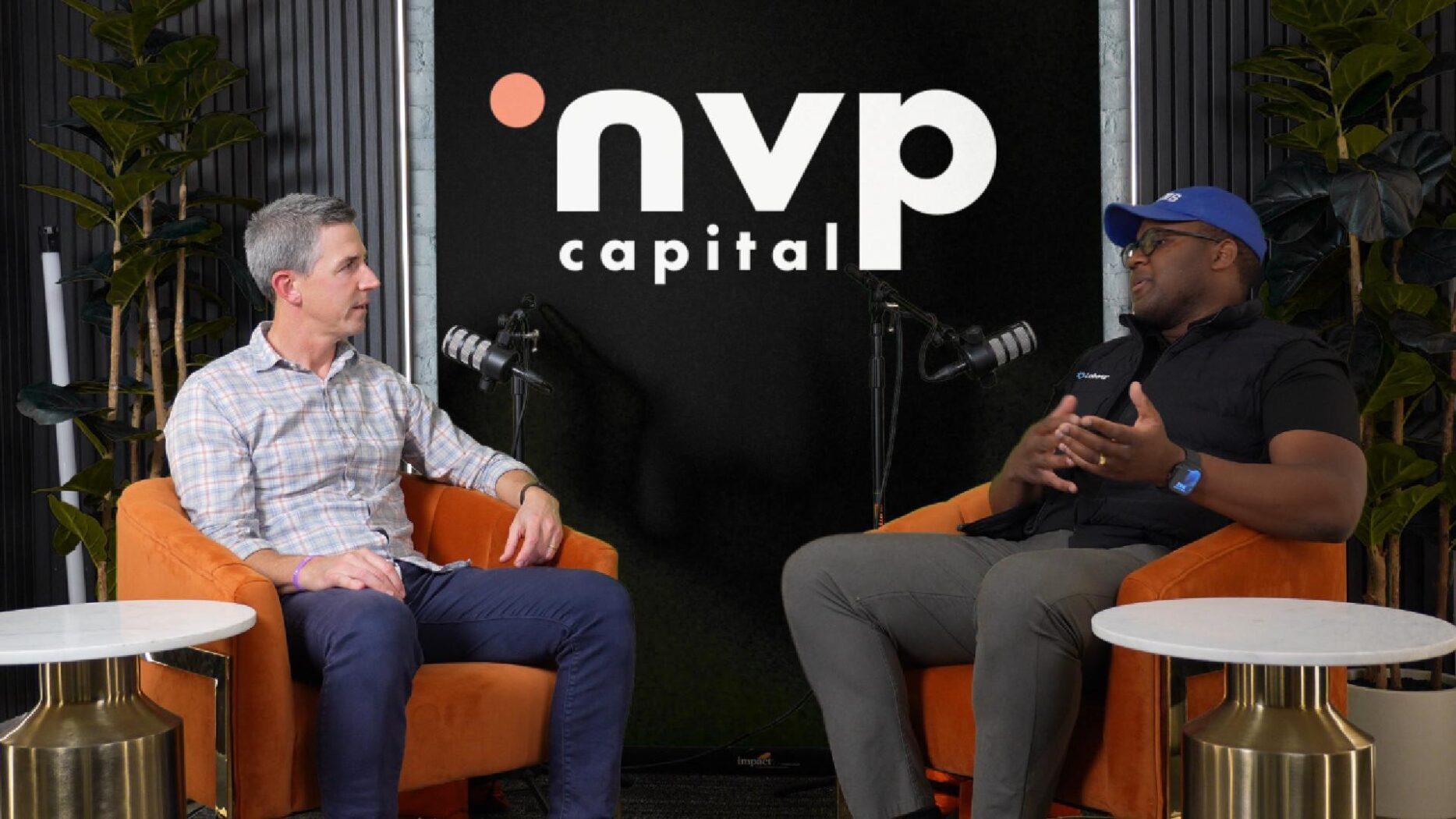
For the next installment of our Between Two Quarters Founder Series, I sat down with Simba Jonga, Founder and CEO of Laborup, to explore the story behind the company, the unique timing that made it possible, and what Simba has learned about early commercialization.
Laborup is building an AI-powered hiring platform for industrial employers, tackling one of the most urgent challenges in the U.S. economy. As reshoring accelerates and new factories come online across energy, aerospace, automotive, and more, companies can’t find the skilled workers needed to run them. Simba experienced this pain firsthand as a manufacturing engineer long before he became a founder.
Laborup also fits squarely within nvp capital’s thesis: backing exceptional founders who are applying AI to transform under-digitized, legacy industries where the stakes are high and the need for innovation is immediate. Industrial hiring, one of the most persistent bottlenecks in American manufacturing, is a perfect example.
This conversation highlights how a deep lived problem, paired with major shifts in technology, sparked Laborup’s creation—and why the company is scaling quickly today.
The Founder Story: A Problem That Refused to Go Away
While working at Bayer, Dow, and in automotive manufacturing, Simba focused on engineering—not entrepreneurship—but the hiring pain points he saw on factory floors became impossible to ignore. Years later, conversations with former HR colleagues made something clear: the problem hadn’t improved at all. In fact, it had intensified.
At Stanford, he finally began connecting the dots. Time at the Hoover Institution exposed him to the macro pressures facing American manufacturing, while work with Stanford HAI highlighted how quickly AI was advancing and where it could meaningfully outperform traditional tools. Across both lenses, one issue kept resurfacing: industrial hiring was a systemic bottleneck with enormous economic consequences.
And it wasn’t limited to large enterprises. Whether speaking with a leader at SpaceX or a 10-person machine shop, Simba heard the same challenges. That universality is what convinced him the timing was right—and that a new solution could finally break through.
Why Now: The Shift from RPA to True AI
Previous attempts to automate recruiting in industrial sectors faltered because earlier technologies were rigid and brittle. RPA required deterministic workflows and couldn’t handle nuance.
Today, large language models and voice AI can interpret context, reasoning, and the variability that defines real-world hiring conversations. Recruiting is fundamentally an information-processing task, and modern AI systems can now complete meaningful parts of that work with human-level fluency.
Simba describes the difference simply: earlier tools could only follow rules; today’s can understand the work.
Landing the First Customer: Lead with Passion and Proof
Laborup’s first customer came from a warm referral—and they signed on before the product fully existed. Why? Because they believed in Simba.
That early customer later summed it up: “You had gumption.”
In legacy industries, trust matters just as much as technology. Customers are betting not just on the software, but on the people behind it.
Laborup also made the initial commitment easier by tying payment to outcomes. In markets where hiring directly affects productivity and cost, outcome-based pricing reduces friction and accelerates adoption.
Scaling Passion as the Company Grows
As I asked Simba how he sustains that founder-level passion as the team expands, Simba emphasized two ingredients: hire people who genuinely care, and lead in a way that inspires.
Many individuals in industrial America feel a personal connection to the sector—through parents, grandparents, or their own history. Laborup has leaned into that, building a team emotionally invested in solving the workforce challenges facing these communities.
From Pilot to Full Rollout: Earn the Right to Expand
Founders often look for frameworks to convert pilots into long-term contracts. Simba’s advice is refreshingly simple: do excellent work.
Manufacturing organizations have limited windows to try new tools. When a startup performs flawlessly in those early engagements, it earns the opportunity to expand. Laborup’s largest customers now treat the company as a strategic line item for upcoming product launches.
It’s not unlike the old sports analogy: don’t look past the opponent in front of you. Nail the current deployment, and the next one will follow.
Key Takeaways
1. Industrial hiring is undergoing a generational shift. The combination of reshoring, demographic change, and AI maturity has created a rare moment for new platforms to emerge.
2. Trust is currency in legacy sectors. Passion, consistency, and outcome-based delivery go further than polished sales scripts.
3. LLMs enable solutions the industry has never had before. Contextual reasoning and voice AI unlock automation that RPA simply couldn’t handle.
4. Early customer success sets the growth trajectory. Treat every first deployment like the championship game.5. Innovation groups help scale wins, not secure them. Start with operators; expand with champions inside the organization.
Final Thought
Simba’s story embodies exactly what excites us at nvp capital: founders who marry personal experience with technological timing to solve urgent, overlooked problems. Laborup is redefining how industrial America hires—and doing it at a moment when the country needs it most.
We’re grateful to have Simba in our founder community and thrilled to share his journey in this episode of Between Two Quarters. Check out the full conversation below!


